The Thrill of Risk in Gambling
High-stakes casino games evoke a unique thrill derived from the inherent risk involved. Players often feel an adrenaline rush as they place large bets, tapping into their desire for excitement and the potential for significant rewards. This thrill-seeking behavior can be linked to psychological constructs such as arousal and risk perception, which play significant roles in attracting players to these environments. Additionally, some players might seek alternative entertainment options such as best casinos not on gamstop, which can also contribute to their overall gaming experience.
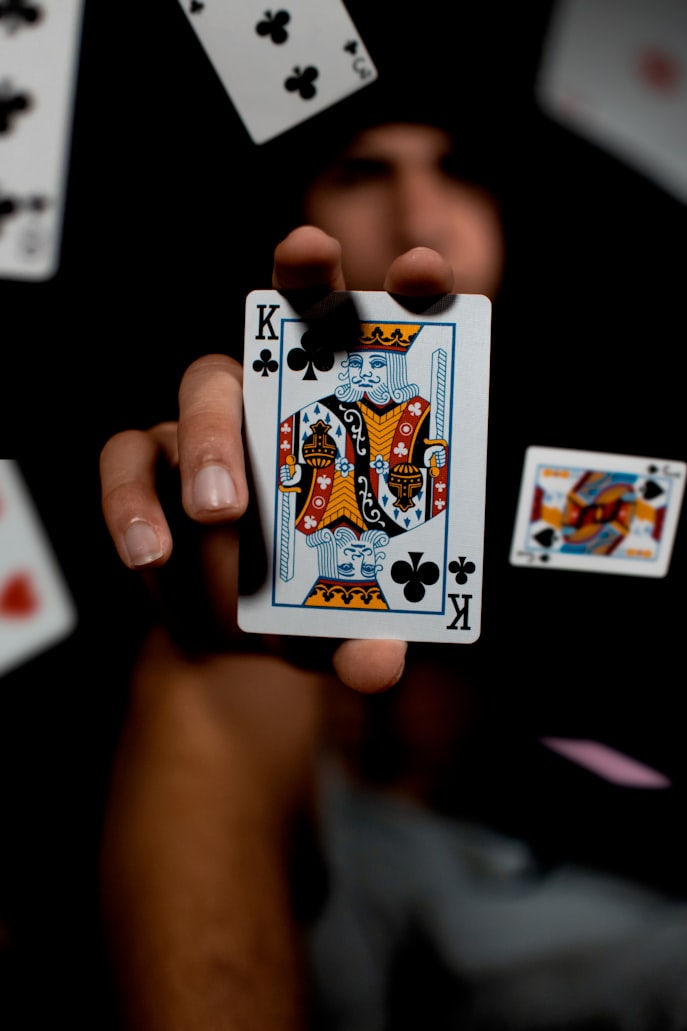
Moreover, the excitement can create a feedback loop, where the more a player experiences this rush, the more they may seek it out. The fear of loss, combined with the hope of winning big, pushes players to engage further in high-stakes gambling, even when the odds may not be in their favor. This complex interplay of emotions creates a compelling backdrop for understanding why many are drawn to high-stakes environments.
The Role of Cognitive Biases in Decision Making
Cognitive biases significantly influence how players assess risks and make decisions in high-stakes casino games. For instance, the illusion of control leads some players to believe they can influence the outcome of games like roulette or blackjack, despite the inherent randomness of these activities. This false sense of control can result in players placing larger bets, as they feel empowered by their perceived skill.
Additionally, the availability heuristic, which causes individuals to rely on immediate examples when evaluating a situation, can skew a player’s understanding of odds. For example, if a player remembers previous wins, they might overestimate their chances of winning again, leading to further engagement in risky behaviors. Understanding these biases is crucial for both players and operators to address the psychological underpinnings of gambling behavior.
The Impact of Social Factors on Gambling Behavior
The social context in which high-stakes gambling occurs often amplifies its appeal. Many players are drawn to casinos not only for the games but also for the social interaction they facilitate. The communal atmosphere, filled with cheers and collective excitement, can enhance individual experiences and encourage risk-taking behavior. This social reinforcement plays a pivotal role in keeping players engaged.
Furthermore, the influence of peer pressure can lead individuals to gamble more than they otherwise would. When surrounded by friends or fellow gamblers who are placing large bets, a player may feel compelled to join in, driven by a desire for acceptance or a fear of missing out. Thus, social dynamics significantly shape the gambling landscape, pushing individuals toward higher stakes.
The Psychological Aftermath of High-Stakes Gambling
Engaging in high-stakes gambling can lead to various psychological outcomes, from exhilaration to regret. Players often grapple with intense emotions after their gaming sessions; winning can lead to euphoric highs, while losses can result in feelings of despair and self-doubt. This emotional rollercoaster illustrates the psychological ups and downs that come with high-stakes gambling.
Additionally, the aftermath of significant losses can lead to gambling addiction or compulsive behavior in some individuals. The psychological distress associated with these losses can drive players to chase their losses, further entrenching them in a cycle of gambling. Understanding these psychological effects is critical for promoting responsible gambling practices and providing support for those affected by gambling-related issues.

Security Measures and Responsible Gambling
This website aims to ensure a secure and informed environment for users interested in gambling and high-stakes games. By highlighting access issues and security measures, we emphasize the importance of safeguarding users against potential online threats. Awareness of these factors is crucial, as the world of gambling can present risks beyond just financial losses.
Furthermore, our focus on responsible gambling underscores the value of understanding the psychological elements that influence players’ behaviors. By providing guidance and resources, we encourage users to make informed decisions, keeping their experiences safe and enjoyable within the thrilling realm of high-stakes casino games.